
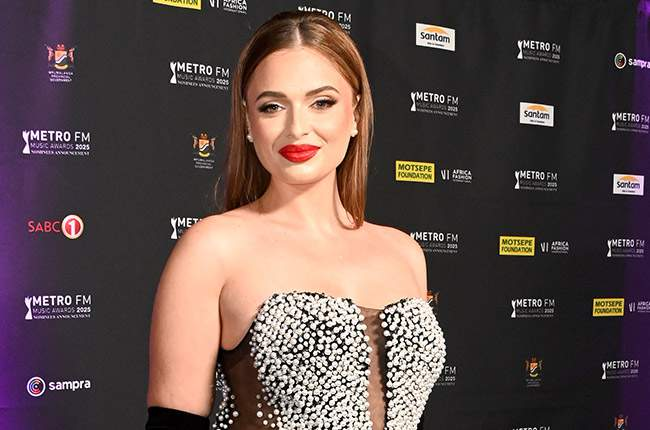
When Mia Le Roux, a South African cochlear implant user and content creator, shared her personal story about “hearing music for the first time,” it sparked curiosity and emotion across the country. For many hearing people, it was an inspiring and touching moment. But for some in the Deaf community, the story felt… incomplete.
Recently, I sat down with two of my Deaf colleagues from ProAccess, Betty and Suzan (affectionately known as “Mamma”), to have a heartfelt conversation about music — what it means to them, how they experience it, and how stories like Mia’s shape public perception.
What I discovered changed my own assumptions. Here’s what they shared:
Deaf People and Music: It’s Not So Black and White
“Not all Deaf people dislike music,” said Betty. “You’ll be amazed at how brilliant Deaf people can dance. Remember, a Deaf guy even won SA’s Got Talent!”
She’s right. I’ve personally seen Deaf dancers light up the stage with energy, rhythm, and passion. In fact, during my boarding school days, one of the best pantsula dancers I knew was completely Deaf. The stereotype that Deaf people can’t enjoy or participate in music is simply not true.
How Do Deaf People Experience Music?
Betty and Suzan explained that music is often felt more than heard.
“I love music through feeling vibration using a speaker system,” Betty told me. “It makes me stress-free and calm.”
Suzan added, “Music is not my thing, but sometimes I enjoy it when there’s bass and loud speakers so I can dance to the rhythm.”
Both highlighted that bass, rhythm, and visual elements like music videos or flashing lights play a huge role in how music is experienced. Accessibility tools like lyrics and South African Sign Language (SASL) translations also help bridge the gap.
Why Some Deaf People Don’t Connect With Music
Not everyone enjoys music in the same way. Suzan explained:
“I can’t hear the songs or understand what they’re saying. The lyrics help, but I still don’t feel connected.”
Betty echoed that sometimes lyrics are hard to understand unless they’re explained in SASL — and even then, the emotional meaning may not always come through the same way.
This is a crucial point: being Deaf doesn’t automatically mean loving or hating music. It’s personal — just like it is for hearing people.
What About Music Artists, Singing, or Playing Instruments?
Betty, who uses a speaker system to enjoy music, shared that she loves Beyoncé and Usher for their calming songs and amazing dance moves. She also used to enjoy Jazz and Pop music when she was younger.
However, both women pointed out that some Deaf people don’t know who certain artists are — not because they aren’t interested, but because they simply don’t have access to sound in the same way.
Some Deaf people who use hearing aids or cochlear implants (especially with early intervention) may learn to identify artists through speech therapy and exposure. But even cochlear implants don’t always work for everyone.
The Importance of SASL and Accessibility
A key takeaway from our conversation was the need for South African Sign Language translations of songs and lyrics. Both Betty and Suzan stressed how crucial it is for hearing people to understand that Deaf people need access:
“If hearing people want Deaf people to enjoy music,” said Betty, “they must learn Sign Language to help translate lyrics and let us feel the beat with loudspeaker systems.”
Suzan added, “Don’t complain about the noise — understand that’s how we feel the music.”
So, What About Mia’s Story?
Mia Le Roux’s story is hers — and it’s valid. But it’s one experience. By placing Betty and Suzan’s voices alongside it, we see a fuller picture: that Deaf people relate to music in diverse, beautiful, and deeply personal ways.
Instead of assuming what Deaf people can or can’t do, let’s ask, listen, and learn.
❤️ Final Thought
Music isn’t just something you hear — it’s something you experience. Whether through vibrations, visuals, rhythm, lyrics, or silence, Deaf people continue to show us that expression, emotion, and creativity go far beyond sound.
If you take anything from this article, let it be this: deafness doesn’t mean disconnection — it means a different way of connecting.
With accessibility and inclusion at heart,